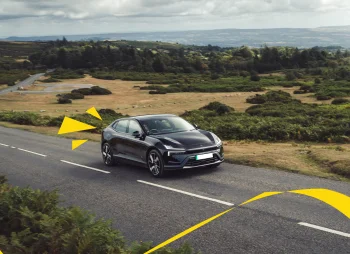
The SUV craze is soaring, but parking spaces haven't grown to match

As the SUV trend continues to grow in popularity, drivers are paying billions of pounds to correct parking bump damage every year.

Whether you've bought, leased, or financed your dream motor, we know you want to take the best possible care of it. No one wants to fork out for preventable damage repairs.

Alright, some wear and tear is inevitable.

We've all had that awkward reverse-into-the-hedge moment on a country lane. We've all winced when loose stones fly up on a badly surfaced road.

But you shouldn't have to worry about what happens to your car when it isn't in motion.

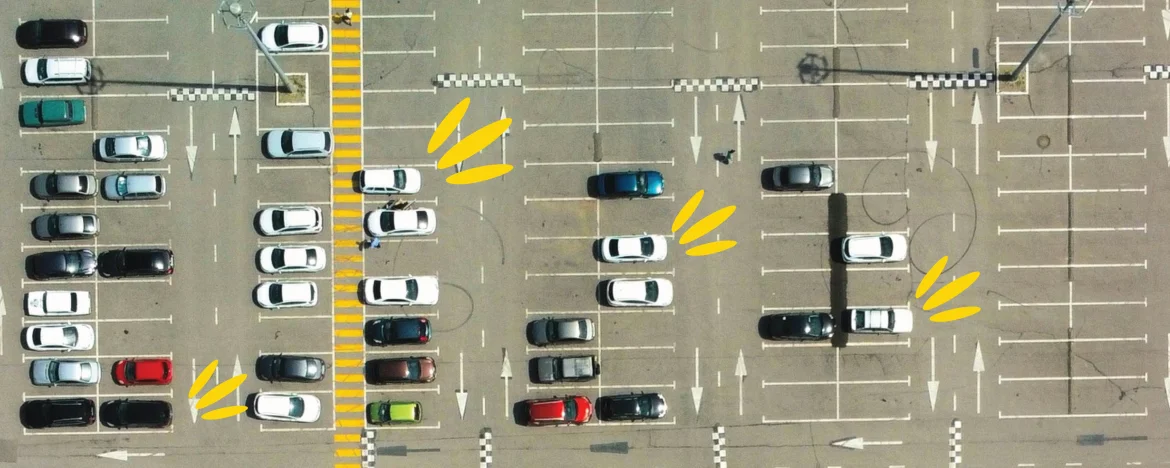
Car park

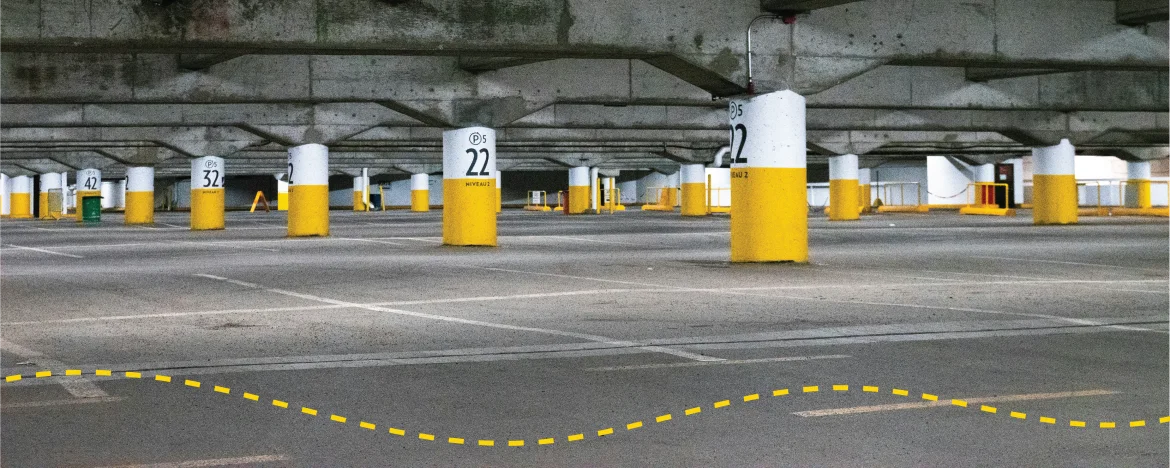
Empty car park

The parking mismatch

No, parking spaces aren't getting smaller even if it feels like it. In fact, the size of most UK parking spaces hasn't changed since the 1970s.

The British Parking Association states the standard sizing for a UK off-road parking space is 2.4 by 4.8 metres. But there is no legal minimum size.

And this was absolutely fine in decades past, when the size of a Volkswagen Golf was only 1.7 metres across.

But times have changed since the ‘70s and car design is no exception. The size of a Golf is now just over two metres wide with mirrors out.

Essentially, it's now the same width as a Range Rover, and it's not even an SUV.

No wonder reports of car damage in car parks are on the rise – and it's costing drivers millions of pounds every year in repairs. It seems like most UK car parks are poorly equipped to keep up with the growing size of modern-day cars.

So, how does this affect you?

It depends on what you're driving.

Smaller cars like the Fiat 500, Renault 5 and Leapmotor T03 are easy to guide in and out of tight spaces.

But if you're cruising around town in something like a SKODA Kodiaq, you might be feeling the squeeze.

Car parks are one of the most common places to pick up cosmetic damage to your car, so you should be extra wary when pulling in and out of spaces.

And while some car parks are starting to modernise, there's bound to be some resistance. Creating bigger spaces basically means fewer spaces, especially in multi-storey car parks where the surface area available won't change.

And fewer spaces means less revenue.

It's a problem we could be stuck with for a long time. And if manufacturers keep making their vehicles bigger, the problem is going to get worse before it gets better.

Why are cars getting bigger?

Car design isn't just about aesthetics anymore (though social media hasn't hurt SUV sales).

Manufacturers have to comply with strict crash testing regulations, including offset, side and roof impact tests, and pedestrian protection performance. Basically, new cars are legally required to have much more controllably crushable bodywork to protect you and your passengers.

That's why the modern-day MINI is so much bigger than the original classic. Fun as the OG design was, it's not necessarily an exaggeration to say it crumpled like tinfoil on impact.

SUVs were originally designed for off-road driving, so they were always going to be bigger than hatchbacks and saloons. But as their popularity has grown, manufacturers have supersized them to maximise the comfort factor that makes them such a popular choice for families.

Take the Ford Puma, for example.

What started as a sporty compact coupe has been reimagined as a subcompact crossover SUV as recently as 2019.

And the Toyota Aygo X has had similar treatment.

What was once a nippy city car has been redesigned with a raised body, large alloy wheels and elevated driving position to turn it into a crossover. While it looks stunning in the brochure, we can't help thinking it won't be as adept at squeezing into tight spots after this makeover.

So, what can you do if cars keep getting bigger and parking spaces aren't keeping up?

Tips for careful car parking

Short of covertly repainting the lines in your local car park, there's nothing you can do about the size of the spaces.

But careful parking can help minimise the risk of damage to your car.

It sounds obvious, but don't just pull into the first available space. Scan your surroundings first for potential hazards like trolleys and reversing cars, but also for the 'right' kind of space.

Most people try to park as close to their destination as possible. Whether that's the entrance to the supermarket or the stairwell to the shopping centre, it's undoubtedly the busiest part of the car park.

Avoid temptation and look for spaces at the end of a row, away from poles, pillars and walls.

If you can nab a space that has empty spaces on one or both sides of yours, it'll give you more room when opening doors – and it means other people are less likely to hit your car when they open theirs.

If you do have to park in a particularly tight spot, try to remember to tuck your wing mirrors in so they don't get clipped by passing cars.

If you've got kids, encourage them to pay attention when getting in and out of the car. It's easier to prevent accidental damage when opening car doors slowly and carefully.

And lastly, keep a cynical eye on cars that are already parked.

Not everyone has a pristine motor, but take extra care if you spot one that's already looking battered. If their car is already damaged, the driver may not take as much care around yours when opening their doors.

If the worst happens

Even with all the care in the world, sometimes damage is unavoidable.

The good news?

There are some clever insurance add-ons out there that help you get cosmetic damage repaired quickly and easily. And the best thing?

You won't even have to claim it on your standard car insurance.

Car park

Car park

Size matters

At the end of the day, you can take all possible care when you park your car and still end up with a damaged vehicle.

Until UK car parks start modernising, we're stuck with spaces that aren't fit for purpose for the size of our cars. And with the SUV trend showing no signs of slowing down, it might feel like choices are a bit limited if you want something on the smaller side.

But there are still some real gems out there.

Hatchbacks like the Fiat 500, Volkswagen ID.3 and Hyundai i10 may be pint-sized, but their smaller stature makes any of the three a really practical choice, whether you need something for city living or just a runabout for the school run.

If you want something a little more spacious with more kick, a MG4, CUPRA Born or MINI could be right up your alley. They hit the perfect middle ground between practical sizing, comfortable design and performance.

But even if you need an SUV, there's no reason to despair.

Not all of them are mammoth vehicles that you'll struggle to squeeze into a parking space. Try looking at compact or crossover SUVs first – you'll get all the space and comfort in a smaller package.

The Tesla Model Y is a perfect example of a speedy, comfortable SUV in a sportier package. You've probably seen them everywhere these days (we certainly have), and they don't look like a behemoth, yet have a massive boot clocking in at 854 litres.

The Nissan Juke is also a solid choice for a growing family. It has the comfortable, elevated position that's such a winner among drivers, without the oversized scale that could catch you out when it comes to parking.

Helpful features that go the extra mile

While size is an important factor in choosing your next car, it's not everything.

New cars come with tons of clever features these days, including parking aids that can make life easier – whatever size vehicle you choose.

You could still go the whole hog with a seven-seater SUV, knowing you're likely to have parking sensors fitted as standard. Sensors will give you an audible warning when you're too close to another car or other surroundings like a bollard or a wall.

And reversing cameras are even more of a boon.

They'll give you a bird's-eye view of your car on your infotainment system, so you can clearly see your surroundings. This is particularly helpful when you return to your neatly parallel-parked car to find that you've been properly wedged in on either side by new arrivals.

But while these features can help you get in (and out of!) narrow spaces unscathed, it's probably best not to rely on them alone. Remember to always use your eyes and mirrors too.

Should car size influence your next vehicle choice?

Here's the bottom line: yes, it probably should.

With UK parking infrastructure lagging decades behind modern car design, choosing a vehicle that fits your actual daily reality (not just your wishlist) could save you hundreds in repair costs and a whole lot of stress.

If you're regularly navigating tight city car parks, cramped supermarket spaces, or narrow residential streets, a smaller car isn't a compromise; it's a smart decision. You'll spend less time squeezing into spaces, and significantly less on fixing avoidable scrapes and dents.

But if you genuinely need the space of an SUV for your family or lifestyle, don't write them all off.

Compact crossovers offer the best of both worlds: elevated driving position and interior space without the parking nightmares of their larger cousins.

The key is being honest about what you actually need versus what looks good in the driveway. Because at the end of the day, the best car is the one that fits your life – and your parking spaces.

In the meantime, we're holding out hope that someone will invent a small forcefield for cars at some point in the future.

If some genius ever manages it, you can bet we'll be the first in line.

From nippy city cars to spacious SUVs, we've got vehicles in every size

Chloe Allen

Chloe Allen

Our Digital Marketing Executive Chloe is in charge of our e-newsletter. There's no one better placed to inform and delight you every month, so keep your eyes peeled for her newsletter hitting an email inbox near you soon.