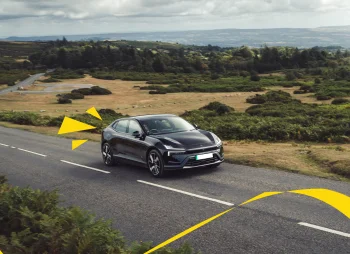
Physical buttons are in the proverbial design bin. Will the glovebox be next? 

Some pairings just go together beautifully. Cheese and crackers. Tea and biscuits. The British way of life, really.

Then there’s car design and innovation. Maybe they don’t spring to mind as a perfect pairing, but they go hand in hand – and together they’re transforming the way modern cars look.

On the outside, a car is still recognisably a car; four wheels, a roof, and a bonnet.

But inside?

That’s where things get interesting. The cabin is the first place you’ll see the effect of the rapid tech advances we’re seeing in the modern car. Forget the cosy interiors of your youth; today’s cabin is sleek and minimalist.

It’s clear in the new features setting up shop – and the disappearance of the classic design touches making way for them.

Years ago, we saw manual window handles disappear in favour of electronic controls.

Now, we’re seeing the infotainment screen replace many familiar physical buttons in the cabin.

Could the glovebox be the next to go?

We’ve done some digging to find out whether this once-firm staple of the family car is here to stay.

Or if it’s on the auto shop chopping block.
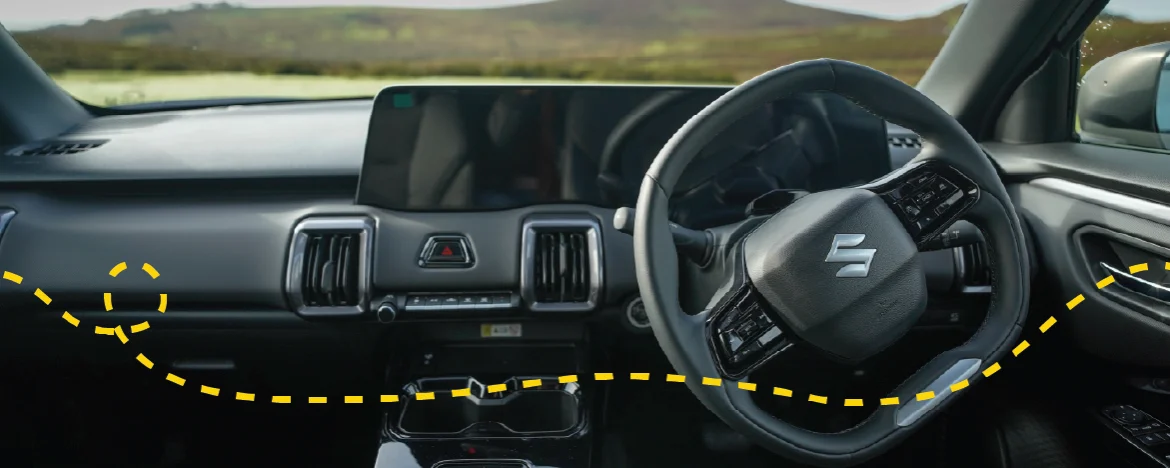
 

Suzuki e Vitara interior

Suzuki's flagship EV includes a glovebox

Origins of the glovebox

The clue is in the name: the glovebox used to be a literal box on the dashboard, designed to hold your driving gloves.

Obviously, this was back in the days when driving gloves were a necessity.

When cars still bore a passing resemblance to horse-drawn carriages and were mostly open-topped, hands got chilly fast – especially with early steering wheels being made of materials like metal, wood or even ivory.

While the design essentials were still being figured out, driving gloves were a quick solution to keep hands warm with a firm grip on the wheel.

(There’s an argument to be made here for driving gloves coming back into vogue as an accessory – are they chic in today’s world, or totally naff? – but we’ll tackle that one another time.)

Regardless, after driving gloves fell out of fashion carmakers clued in quickly that having a bit of storage space in the cabin is actually really handy.

So, the glovebox stayed. More than that, it became a design staple of the car cabin.

Growing up, you probably saw it used to store driver manuals and servicing books – maybe the scraper for the windshield, or a bottle of de-icer.

But with manuals and servicing history now issued digitally, new cars don’t necessarily need a glovebox in the same way older models did.

And with big tech developments rolling out, the glovebox is just one more thing carmakers are rethinking in this digital age.


Why the glovebox could go

Sure, the glovebox is a perfectly satisfactory bit of storage. It’s a box to keep things in; what more could you want?

Well, by that metric, innovation would never happen. The shift from ICE to EV cars is a big opportunity to update the design and functionality of the family car.

Because why would you settle for something merely satisfactory, when you could make it exceptional?

It’s not change for the sake of it either. Carmakers have some very good reasons for binning off the traditional glovebox: 

  • Cost and weight reduction: Lighter cars with less components are cheaper to make
  • EV platform design: Building from the ground up is the perfect opportunity to rethink the space
  • Digitalisation of car manuals: The primary function of the glovebox is disappearing
  • New storage solutions: Bigger alternative storage spaces offer more practicality 

The growing prevalence of EVs and SUVs means cars are heavier than ever (thanks to whacking great batteries) and more expensive to make. Pruning a redundant feature is one great way to reduce cost and weight, while also optimising the space for EV platform design.

The glovebox was perfect for storing manuals, but with physical copies being phased out there’s an opportunity to use the space differently.

What could replace the glovebox? 

The layout of the centre console is changing, but there’s no one-size-fits-all replacement for the glovebox.

Some carmakers are keeping them. Others are repurposing the space and functionality in completely new ways. What your cabin (and glovebox) will look like is really coming down to the make and model you choose.

But in general, you can expect to see more: 

  • Digital integration: You may need electronic controls to access the glovebox
  • Physical removal: Some carmakers are cutting the glovebox from new designs entirely
  • New functions: The glovebox area could be better utilised for deeper console storage or heated footwells

While cars are offering more in the way of clever storage these days, at a glance it seems like this is in addition to the traditional glovebox rather than outright replacing it.

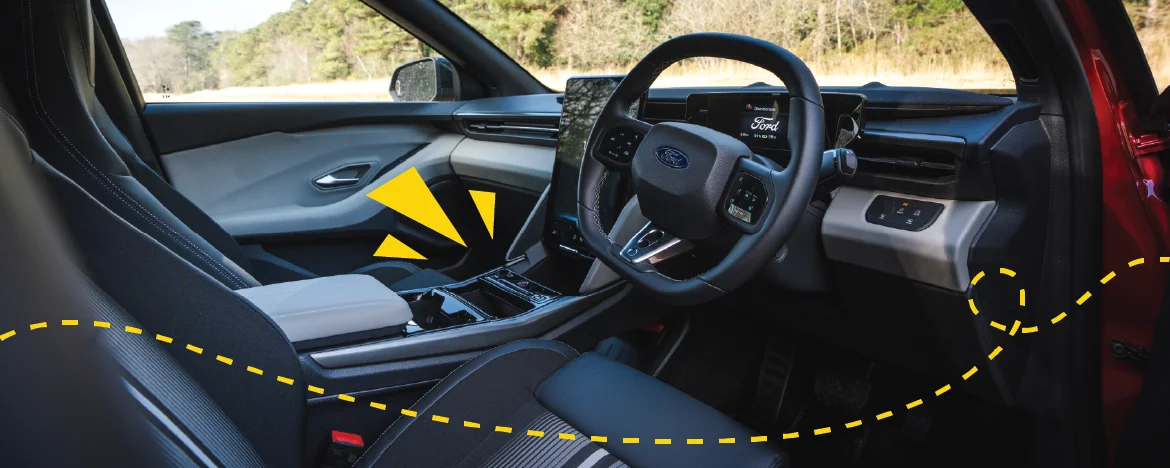
Take the new Ford Capri.

This suave coupe-SUV seriously impressed us last year with its clever use of storage in the MegaConsole – we’re talking 17 litres of space. Plus, there’s a hidden, lockable compartment behind the infotainment screen.

Ford Capri interior ft the MegaConsole

The Ford Capri's MegaConsole is aptly named

Yes, the Capri still has a glovebox on top of this – but it’s basically only functional for small items. The question is, when newer storage solutions are (arguably) more practical than the glovebox has ever been, do we still need one at all?

For now, manufacturers generally seem to think so.

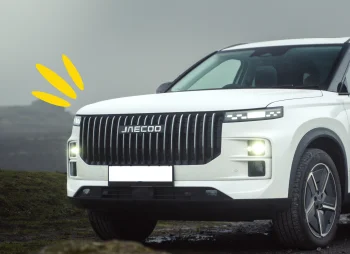
Of the many new cars that visited Carparison HQ last year, most still featured a glovebox including the Suzuki e Vitara, CUPRA Leon, Leapmotor T03, and the JAECOO 7.

Given that some of these are brand-new releases, it’s clear that the glovebox is (as a general rule) going to be around for a bit longer.

That’s more than we can say for various car features that have already been tossed in the bin of history.

Which cars have no glovebox?

Of course, some carmakers are showing signs of phasing the glovebox out entirely. Whether it’s a permanent design change, or just something that’s being tested out for now, that remains to be seen.

But there are some interesting things going on.

These are some of the cars we’ve found that don’t currently feature a glovebox in the cabin: 

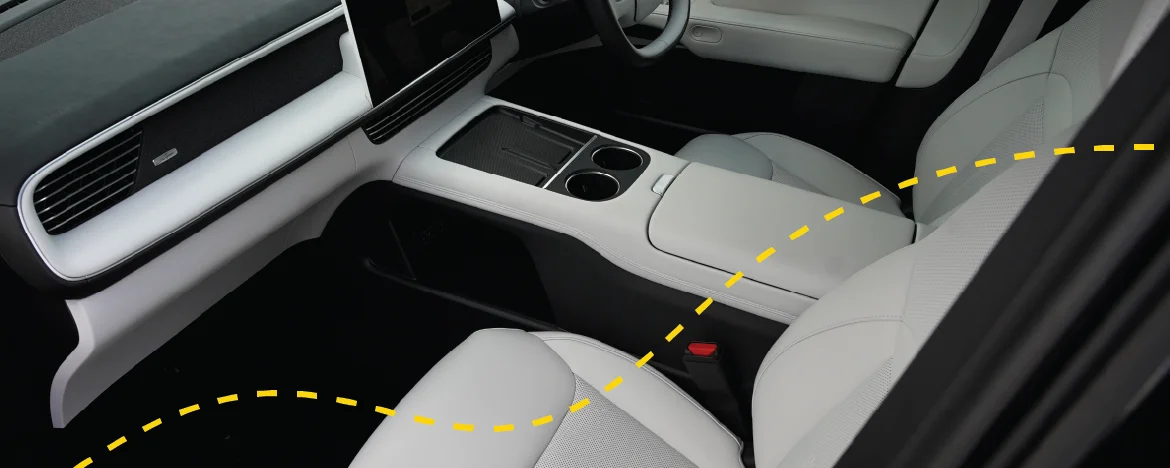
  • XPENG G6: Omits the glovebox entirely
  • Subaru Solterra: Uses the space for heated panels to warm the footwells
  • Toyota Bz4x: Removed it for more space, with alternative storage elsewhere in the cabin
  • Lexus RZ: Removed for radiant heaters to warm passenger legs

It’s a fairly short list right now. But we’ll be keeping an eye on the newest model releases to see how the glovebox fares moving forward. 

The XPENG G6 interior

The XPENG G6 doesn't feature a glovebox

Evolving automotive design

The glovebox isn’t the first car feature to go on the chopping block, and we’re pretty sure it won’t be the last.

But it’s not about trends coming and going.

It’s about functionality. It’s about our changing needs and lifestyles.

From the ease and convenience of electronic controls to the growing prevalence of automatic transmission shifting out the gear stick, there have always been quiet changes happening in the cabin.

If the glovebox does change form, or even disappear entirely, we can be sure that something just as good – maybe even better – will take its place.

And you know what? With so many possibilities in the future of cabin design, we think that’s really exciting.

Chloe Allen

Chloe Allen

Our Digital Marketing Executive Chloe is in charge of our e-newsletter. There's no one better placed to inform and delight you every month, so keep your eyes peeled for her newsletter hitting an email inbox near you soon.