The weird and wonderful world of car advertising
Marketing is a tricky beast.
A big part of a successful marketing strategy is knowing, understanding and anticipating your audience. For the car industry, this understanding seems to be stuck on 'male'.
Why?
Probably because when the industry got started, it was men who were in a position to buy. Let's not forget, women couldn't open their own bank accounts in the UK until 1975.
But despite it being 50 years since women started achieving financial independence, marketing and advertising in the car industry has been slow to catch up with the times.
Even in recent years, we've seen examples of car advertising that are blatantly sexist.
Do a quick Google search and you'll quickly find that there's a history of adverts across the motor industry where women are presented as commodities to be used and enjoyed, on the same level as a car.
Some are more overt than others. More recent adverts play up the idea of certain cars being hypermasculine, rather than using women as props to sell them.
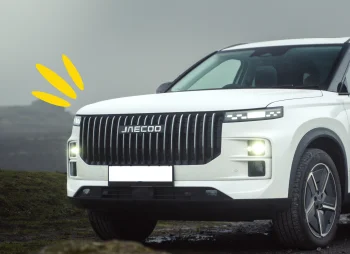
Take SUVs.
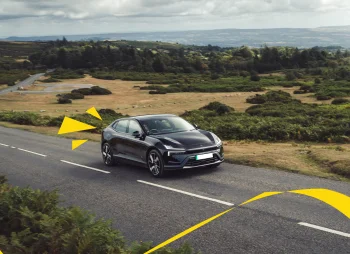
A lot of the marketing around them excessively focuses on off-roading: rugged terrain, muted colours and a sense that the car will bring man closer to nature – but only the kind with no flowers and limited greenery.
It's selling the idea of a hypermasculine adventure in a challenging landscape, for the type of male who likes to climb mountains or traverse deserts.
But who exactly do these advertisers think are buying or leasing these cars?
While we have no doubt some adventurous drivers out there would love to take a powerful SUV into the wild, most of us aren't going to do that in our daily lives.
Many SUVs are bought by families for their size, comfort and the sense of safety that comes from the elevated driving position, and will be driven primarily in urban areas.
Recent studies suggest both men and women find the hypermasculine direction unappealing.