44% of electric car buyers are open to new brands – here’s why ‘electric-first’ companies have the edge

When you’re browsing for your next electric car lease, you might stumble across something surprising.

The electric vehicles (EVs) offering the best mix of features, range and value aren’t necessarily from the big names you’d expect, like Mercedes-Benz, BMW, or even Tesla.

Instead, they’re from brands that were practically unknown just six months ago: Chery, OMODA, Geely, and more. It’s like watching the automotive equivalent of a fresh-faced indie band suddenly outsell the Rolling Stones.

This shift reflects a pretty massive change in the car industry.

According to YouGov’s latest research, 44% of electric vehicle buyers are willing to consider emerging car brands. That’s nearly four times higher than the 12% of general car buyers who would give them a shot.

But why are EV buyers more open to new names?

The answer lies in a simple truth that’s reshaping the motoring landscape.

Starting with electric cars in the UK isn’t just different to adding EVs into an existing line up – it’s giving these new brands an edge that could determine who dominates the charts for the next decade.

Just look at Tesla’s meteoric rise for proof that it’s already happened once.
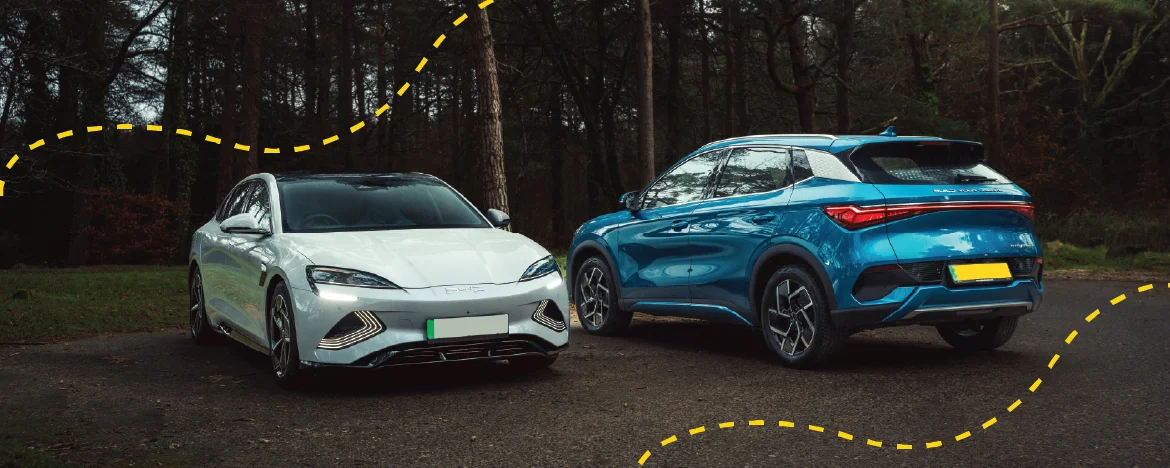
BYD SEAL and BYD ATTO 3

BYD SEAL and BYD ATTO 3

Building an EV from the ground up

The biggest advantage these new-to-the-UK brands have?

Their purpose-built platforms.

While traditional manufacturers often modify existing chassis to squeeze in batteries, emerging brands have designed their vehicles around electric powertrains from day one.

Take BYD’s approach.

Founded as a battery specialist in 1995, the Chinese manufacturer didn’t stumble into EV manufacturing – it evolved towards it.

Their incredible Blade Battery tech isn’t an afterthought. Instead, it’s the foundation every vehicle is designed around.

And this advantage extends beyond just where the battery goes. Purpose-built EVs can optimise:

  • Weight distribution for better handling
  • Interior space (with no need for a transmission tunnel, the floor in the back is flat)
  • Aerodynamics without combustion engine (ICE) constraints
  • Cooling systems designed specifically for batteries

The result? A better driving experience and superior use of space.

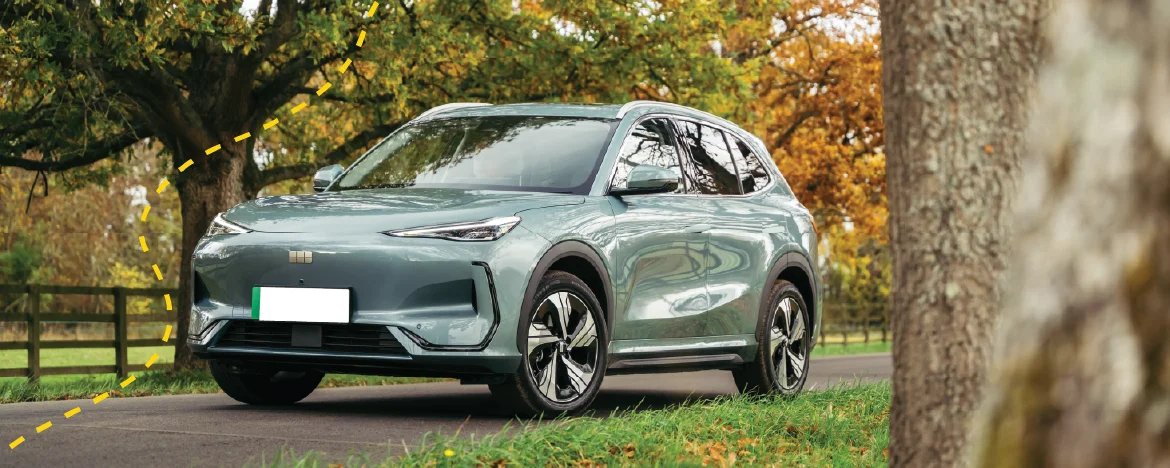
Geely EX5

Geely EX5

The technological leap: Skipping generations of evolution

Many of these brands are benefiting from ‘leapfrog development’ – the ability to skip the middle steps and jump directly to cutting-edge solutions. And often for less money, which is music to our ears.

While established manufacturers juggle maintaining their extensive ICE lineups alongside developing EVs, newer brands to the UK are focusing solely on the latest electric tech.

Geely’s Global Intelligent New Energy Architecture (GEA) platform is the perfect example.

The platform underpinning the EX5 was developed without any compromises. This allowed Geely to add advanced features like vehicle-to-load (V2L) charging as standard, instead of offering them as expensive extras.

BYD is, once again, another stellar example of this.

By starting with the battery chemistry and working outwards, BYD created power systems that are safer and more efficient than many adapted solutions.

The tech delivers consistent performance and exceptional durability – even producing no smoke or flame during nail penetration testing, which is one of the most rigorous ways to test batteries.

Another electric-first innovation?

The Changan Deepal 07’s 15.6-inch swivelling infotainment screen puts user experience front and centre, something that’s much easier to do when you’re not working around existing dashboards.

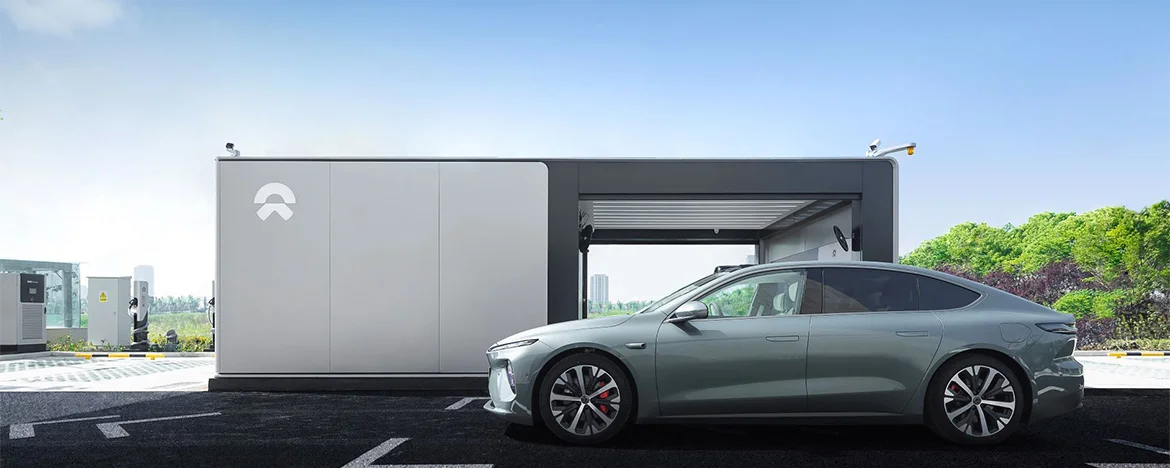
NIO power swap station

NIO Power Swap Station

The supply chain revolution

Many of the newer manufacturers to hit our roads have some pretty unique approaches to their supply chains, especially when it comes to the battery.

Which, with these cars being electric, is a pretty big part of it.

You guessed it: BYD is one of the best at this, with their (say it with us) Blade Battery technology.

As both a battery manufacturer and a car manufacturer, BYD can control its entire supply chain, which allows them to:

  • Optimise the battery performance for their EVs
  • Respond quickly to technological advances
  • Adapt to changes without supplier delays
  • Control costs more effectively

NIO takes this innovative approach even further with their revolutionary battery-swapping tech.

Their ability to swap a depleted battery for a fully charged one in under five minutes addresses range anxiety in ways that traditional charging approaches just can’t match.

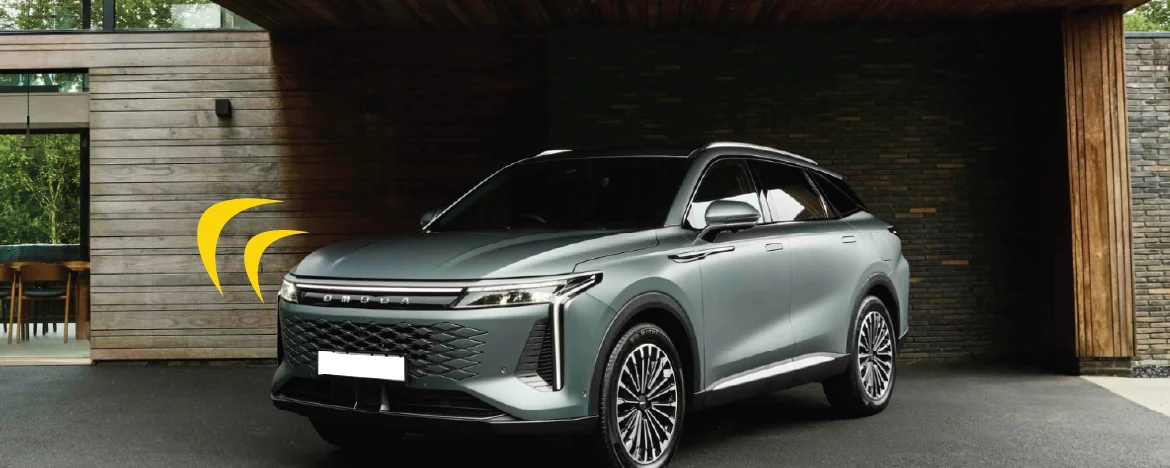
OMODA 9

OMODA 9

The psychology factor: Differing expectations

Electric cars buyers often have different expectations to traditional car buyers, and this shift really favours the newer brands.

The YouGov research reveals that 44% of future EV buyers are open to emerging brands, compared to just 12% of general car buyers. This difference is down to a few factors:

  • Early adopter mindset: Anyone switching to electric is already stepping outside traditional choices, making them more likely to try new brands
  • Different criteria: The data shows that competitive pricing (62% of future buyers), long warranties (47%), fuel economy (47%) are top considerations – areas where emerging brands excel

OMODA is one brand that’s doing this very well.

Described by parent company Chery as ‘fashion-forward’ and competing with mainstream European brands, OMODA can focus on the aesthetic and technological preferences of younger customers.

The brand’s seven-year warranty reflects its confidence in its tech, while addressing the reliability concerns that affect 50% of people considering these emerging brands.

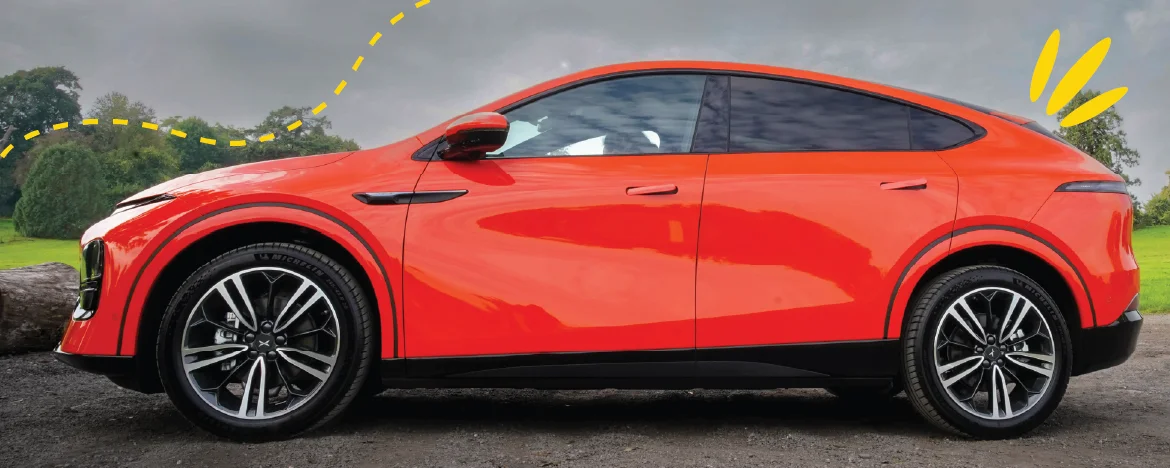
XPENG G6

XPENG G6

Quick innovation: Built for speed

Perhaps the most crucial advantage these emerging brands have is their ability to innovate rapidly.

Without the complexity of managing multiple powertrains across an extensive lineup, these brands can focus their energy on advancing EV capabilities.

Don’t tell us you didn’t see this coming – BYD demonstrate this very well.

From the compact DOLPHIN and DOLPHIN SURF hatchbacks, to the sleek SEAL, spacious SEALION 7, and robust plug-in hybrid SEAL U, BYD has launched a comprehensive electric lineup faster than you can say ‘range anxiety’.

The tech integration into these emerging brands also reflects the pace of EV innovation.

Features like the fold flat front seats in the Geely EX5 and XPENG G6 (creating a bed layout, complete with ambience you can customise from the infotainment screen) showcase the sort of creative thinking that’s possible.

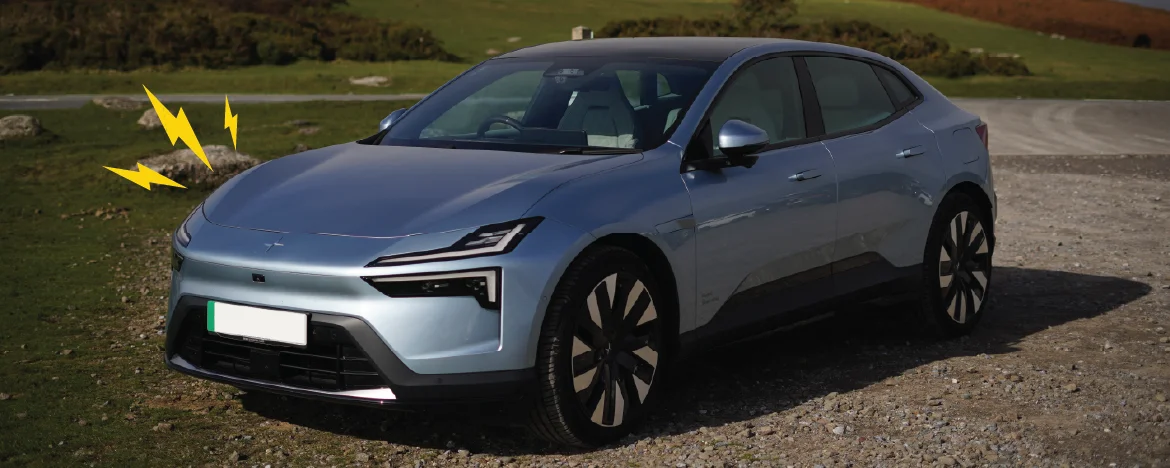
Polestar 4

Polestar 4

Premium features at mainstream prices

Emerging brands are redefining the value you can pack into a car by including premium features as standard equipment, but without the premium pricing.

The Changan Deepal 07 is an excellent example of this, with its standard features including:

  • 19-inch alloy wheels
  • LED headlights with automatic high beam
  • Electric tailgate
  • Dual-zone air conditioning
  • Heated and ventilated front seats
  • Adaptive cruise control

Polestar’s minimalist Swedish design philosophy is another way to go about it.

By focusing only on electric vehicles, Polestar has created a cohesive brand around sustainable luxury. This focused approach allows them to compete directly with established brands like Tesla, while using Volvo’s safety heritage to its advantage.

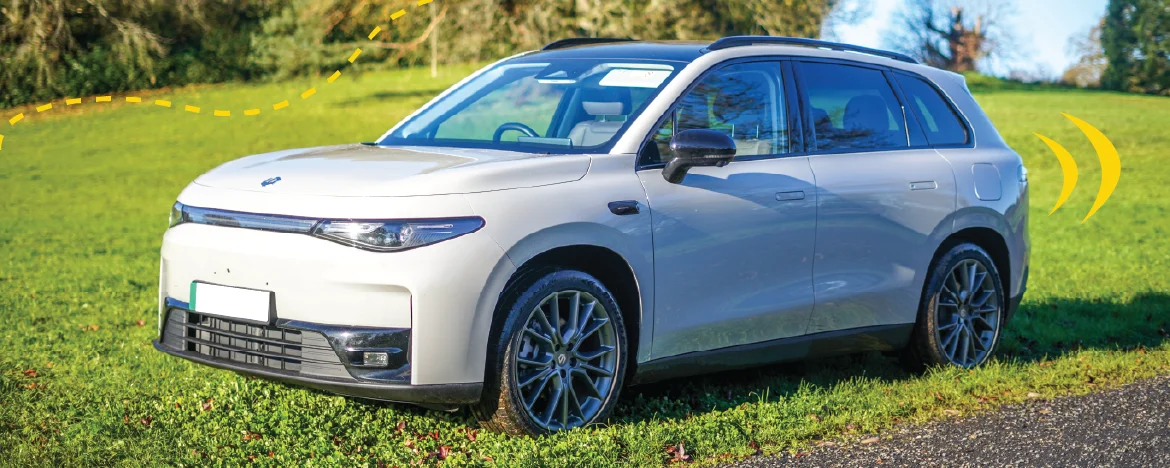
Leapmotor C10

Leapmotor C10

The challenge: Building trust

Despite these advantages, emerging brands have one big hurdle they need to leap like they’re going for gold in the Olympics: brand recognition.

The YouGov research shows that 52% of future car buyers lack knowledge about emerging brands, while half have reliability concerns.

Brands are addressing these with:

  • Extended warranties: Longer warranties address reliability concerns while demonstrating confidence in their tech
  • Transparent communication: Highlighting partnerships and proven technologies helps people understand brands aren’t untested startups
  • Third-party validation: Five-star Euro NCAP ratings provide objective validation of quality and safety standards, so you can rest easy knowing safety hasn’t been compromised in favour of fun tech

Looking forward: The 10-year trajectory

As the industry hurtles towards electrification, the advantages the emerging brands have will likely only grow over the next decade.

The 2028 eVED charges (announced in the most recent Autumn Statement) will reshape the cost landscape.

While EV drivers will face mileage-based charges of 3p per mile – still roughly half the fuel duty rate – emerging brands are well-positioned to maintain competitive pricing.

If you’re looking to make the switch, the choice between established brands transitioning to electric and brands launching with EVs is becoming clearer. If you want an EV designed from the ground up, and not an ICE car that happens to have a battery, it makes sense to explore newer manufacturers.

The YouGov data supports this trend.

Among the 69% who recognise at least one emerging car brand, awareness is highest among future car buyers.

This really does show that as people research their next vehicle, they’re discovering alternative manufacturers offering something different and genuinely good.

And often, really quite cool.

Geely EX5 badge

Geely EX5

Why leasing is perfect for emerging brands

For lease customers, newer brands offer advantages that’ll only become more attractive.

Technology advances

Leasing a new EV allows you to:

  • Take advantage of rapid technological developments
  • Access the latest tech without long-term ownership commitments
  • Avoid the hassle of selling a depreciating asset
  • Get premium electric tech in beautiful cars for affordable monthly payments

Financial benefits

  • Easy budgeting with predictable costs
  • Optional maintenance packages for complete peace of mind
  • Transparent pricing
  • Three- to five-year leases align with comprehensive warranties
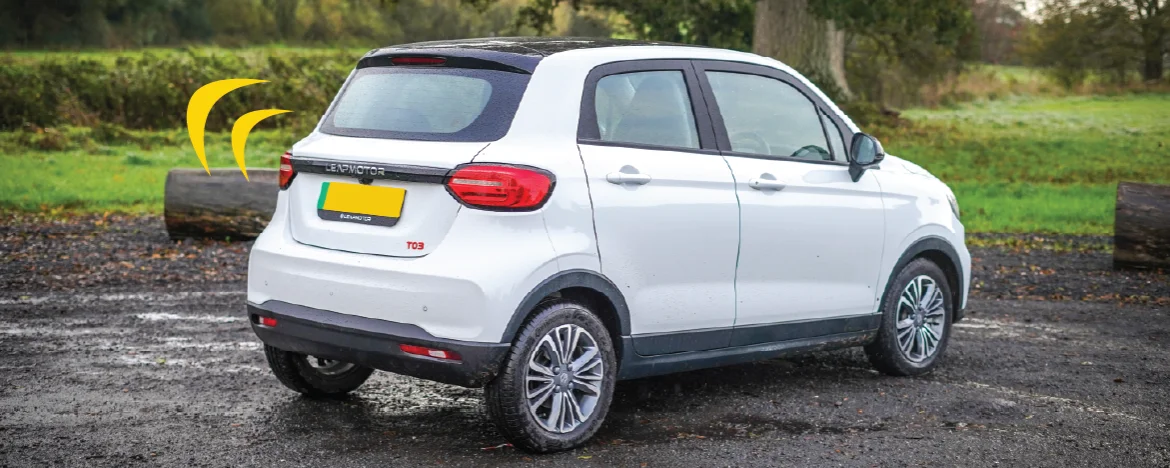
Leapmotor T03

Leapmotor T03

The electric future

The automotive world is experiencing a proper transformation.

While traditional manufacturers manage complex transitions from petrol/diesel engines to EVs (and don’t get us wrong, they are doing it well), emerging brands are perfecting electric technology.

This focus translates into real advantages: better platforms, advanced tech integration, competitive pricing, and features designed for EV buyers.

If you’re willing to look beyond traditional brand loyalties, these advantages offer excellent reasons to consider new names. The YouGov research suggests this shift is already happening, with 44% of EV buyers open to emerging brands.

The electric market really has become the perfect ground for automotive industry disruption.

Sometimes the best EV isn’t from the company with the longest history – it’s from the one that’s spent the longest thinking about the electric future.

Ready to get your EV leasing journey underway?

Beth Twigg

Beth Twigg

Beth is our Content Marketing Manager, tasked with creating great articles to keep you both entertained and informed. She has two years previous experience, but has been writing and scribbling for much longer.