Europe’s 2035 combustion engine ban has been softened, but the UK holds firm

Well, the EU just threw a spanner in the works.

In December 2025, after months of European carmakers lobbying for breathing space with the 2035 electrification goals, the solution was announced.

Their answer? Moving the goal from 100% electrification to 90%.

This means hybrids – and even traditional combustion engines – could still be sold past the 2035 marker.

However, there are a few caveats (which we'll get into in a minute).

The big question is: how will the UK respond?

So far, the government is holding firm. But with some political parties promising to scrap the ban entirely if they win the next election, and industry voices pulling in different directions, there's a lot of uncertainty in the air.

So, let's cut through the noise and look at what this actually means.

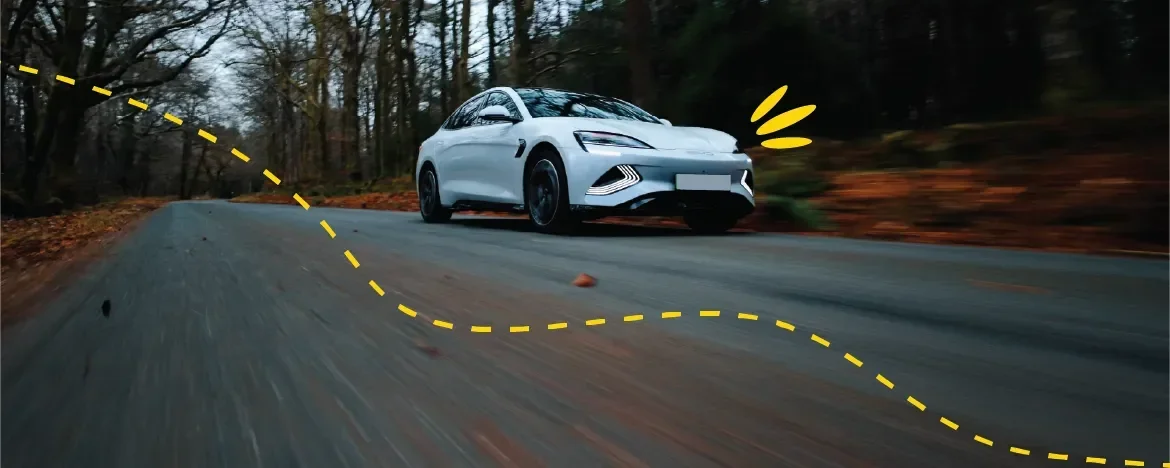
BYD SEAL

BYD SEAL

What's actually changed?

The headline is that the EU has shifted its 2035 target from 100% zero-emission vehicles to 90%.

That 10% might not sound like much, but it represents a major change in strategy.

Previously, every new car sold from 2035 had to be fully electric or hydrogen. No hybrids, no combustion engines.

Now? Up to 10% of sales can still be hybrids, plug-in hybrids, or even traditional petrol and diesel.

But there's a catch.

The offsetting requirements

Manufacturers can't just carry on selling combustion engines as usual. That 10% comes with strict conditions.

Instead of eliminating emissions entirely, the approach has shifted to offsetting them.

Manufacturers must now compensate by:

  • Using low-carbon steel made in the EU in production
  • Powering vehicles with e-fuels and biofuels (synthetic fuels from captured CO2 or plant-based alternatives)

What else was announced?

  • Small EV super credits: EVs under 4.3 metres count as 1.3 vehicles towards targets, helping manufacturers "bank" progress with affordable compact models. Additionally, small EVs under 4.2 metres that cost €15,000-€20,000 and are made in the EU will get customer benefits including reduced road tolls and discounts at charging stations.
  • €1.8bn battery fund: Interest-free loans for European battery producers to compete with Chinese manufacturers.
  • Van targets relaxed: Electric van requirements dropped from 50% to 40% by 2030.

A setback or just being realistic?

The shift from pure electrification to offsetting is significant. But is it actually a problem?

That depends on who you ask – and what's happening in the rest of the world.

While Europe hedges its bets on hybrids and offsetting, China is charging ahead with pure electric. Battery-only vehicles accounted for 34% of the Chinese market in Q3 2025, fuelled by fierce competition and state support for affordable EVs.

The US, meanwhile, is moving in the opposite direction entirely.

President Trump has significantly reduced fuel economy requirements and rolled back EV incentives, favouring the oil and gas industry instead.

So, Europe finds itself in an awkward middle ground.

Not as ambitious as China, but still ahead of the US. Whether that's a strategic compromise or a costly hesitation remains to be seen.

Why did the EU do this?

Pressure. Lots of it.

German and Italian leaders – including Chancellor Friedrich Merz and Prime Minister Giorgia Meloni – lobbied hard for the change, worried about their domestic car industries struggling to keep up.

The main complaints from manufacturers:

  • Chinese competition: Cheaper EVs from China are eating into European market share
  • "Demand crisis": EV sales aren't growing as fast as expected (though they're still up 26% in 2025)
  • Charging infrastructure: Not being built quickly enough to support mass adoption
  • Costs: The transition to electric is expensive, and manufacturers fear billion-euro penalties for missing targets

In short: European carmakers argued they needed breathing space – and the EU gave it to them.

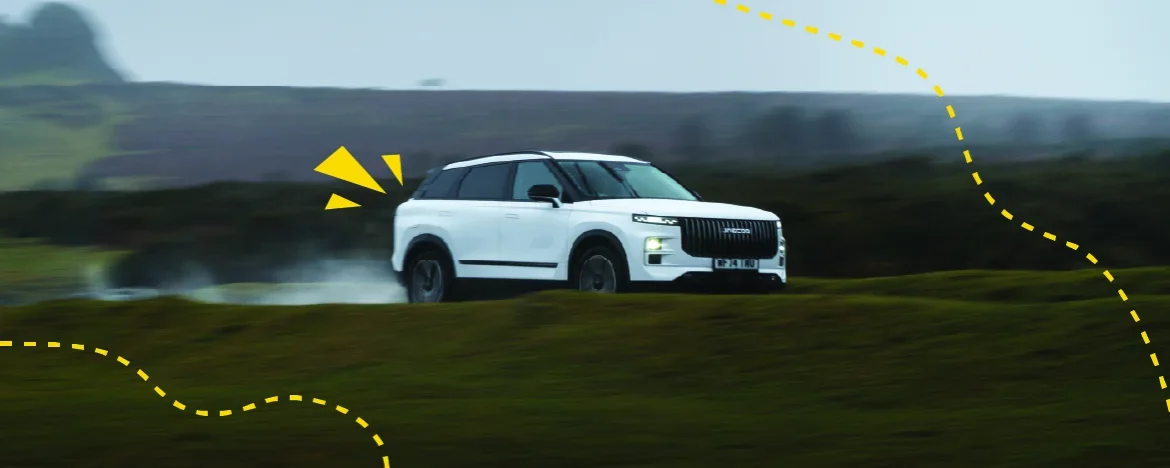
JAECOO 7

JAECOO 7

Who's happy (and who's furious)?

Despite the pressure, not everyone's happy

The EU might’ve given manufacturers breathing space, but it has split the industry.

Who's relieved?

Brands like Volkswagen, Renault, and Ford have welcomed the change. VW called it "economically sound" and "pragmatic", while Renault's CEO had previously said a quarter of their R&D team was dedicated just to keeping up with regulations.

For them, this flexibility is essential.

Who's furious?

Then there's the other camp – and they're not impressed.

Polestar's CEO, Michael Lohscheller, staged a protest outside the European Commission, declaring "Electric is the only way forward, and we say no to combustion engines."

Volvo echoed the frustration, warning that "weakening long-term commitments for short-term gain risks undermining Europe's competitiveness for years to come."

Why the anger?

These brands have gone all-in on electric.

They've spent billions building EV-only platforms, retooling factories, and betting their futures on pure electrification.

Now the EU is handing their competitors – who haven't committed as heavily – permission to keep selling their more profitable hybrids and combustion engines.

And here's the irony. Just as EV-only brands like BYD, XPENG, and Geely flood into (and dominate) the UK market with their purpose-built electric vehicles, the EU is allowing traditional manufacturers to hedge their bets.

As Polestar put it, "Europe doesn't have a demand problem, it has a confidence problem."

Environmental groups aren't thrilled either. Transport & Environment (T&E) warned the move sends "a confusing signal" and will "divert investment away from electrification at a time when European manufacturers urgently need to catch up with Chinese EV-makers.

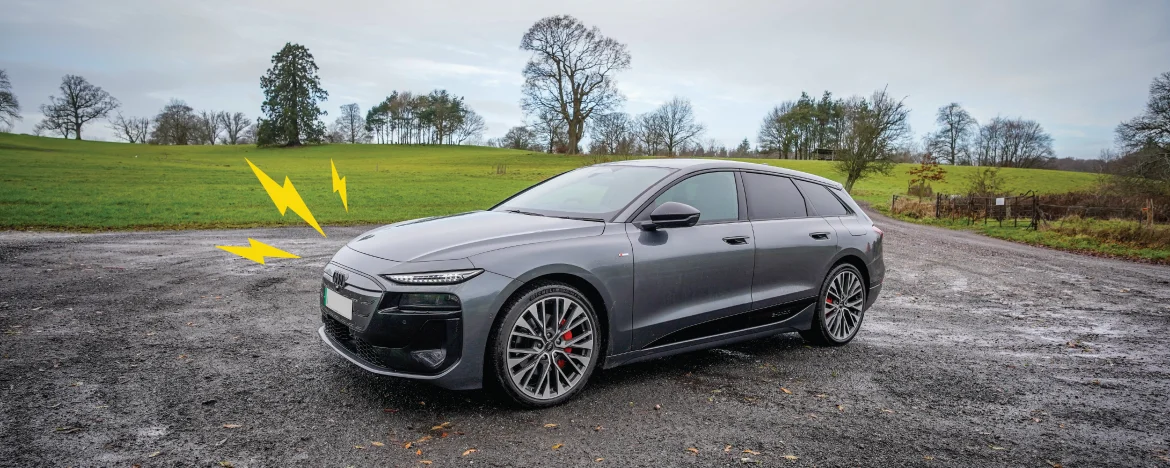
Audi A6 Avant e-tron

Audi A6 e-tron

What's the UK doing?

In short? Standing firm.

For now, at least.

Following the EU's announcement, the UK government was quick to confirm its position: "We remain committed to phasing out all new non-zero emission car and van sales by 2035."

That means the UK is actually maintaining stricter targets than the EU now:

  • 2030: Ban on new petrol and diesel cars (reinstated by Labour in April 2024)
  • 2035: Full zero-emission requirement – no hybrids, no combustion engines, no exceptions

No 90% wiggle room. No offsetting loopholes.

Why the UK isn't budging

Industry voices have been loud about the importance of policy stability.

There was some initial flip-flopping between a 2030 and 2035 ban, but it landed on a 2030 ban with hybrids allowed until 2035.

Fiona Howarth, founder of Octopus Electric Vehicles, warned that watering down UK ambitions would send "a damaging signal to investors, manufacturers and supply-chain partners, many of whom have already committed significant capital on the assumption that the UK would stay the course."

And there's evidence that this stability pays off.

Nissan's Sunderland plant is a prime example – government policy secured production of the original electric Leaf, and with the latest Nissan EV is rolling off North East production lines, jobs are secured for years to come.

Colin Walker, head of transport at the Energy and Climate Intelligence Unit, put it simply. A stable policy gives companies confidence to invest in charging infrastructure and manufacturing, avoiding "jeopardising investments".

The message from UK manufacturers and energy companies?

Don't follow Europe. Keep the course steady.

The Conservative wild card

Here's where things get messy.

The UK's current commitment to stricter targets sounds solid.

But the Conservatives have promised that if they win the 2029 general election, they'll scrap the ban and the Zero Emission Vehicle (ZEV) mandate entirely.

Party leader Kemi Badenoch has even described the ZEV mandate as "well-meaning, but ultimately destructive legislation."

The policy ping-pong timeline:

  • 2020: Boris Johnson's Conservative government introduces the 2030 ban on new petrol and diesel cars
  • 2023: Rishi Sunak's Conservative government delays it back to 2035 (causing industry uproar)
  • 2024: Labour wins the election and reinstates the 2030 ban
  • 2025: Kemi Badenoch's Conservative party now promise to scrap it entirely if elected

Yes, you read that right. The party that introduced the ban now wants to bin it completely.

Why this matters

This constant flip-flopping is exactly what the industry doesn't need.

Manufacturers make investment decisions years in advance. Factory retooling, supply chain development, R&D commitments – these aren't things you can turn on or off with a simple flick of a switch.

When policy shifts every few years, it creates the kind of uncertainty that makes investors nervous and manufacturers hesitant.

So, while the UK government says it's "staying the course" now, there's no guarantee that course won't change again in 2029.

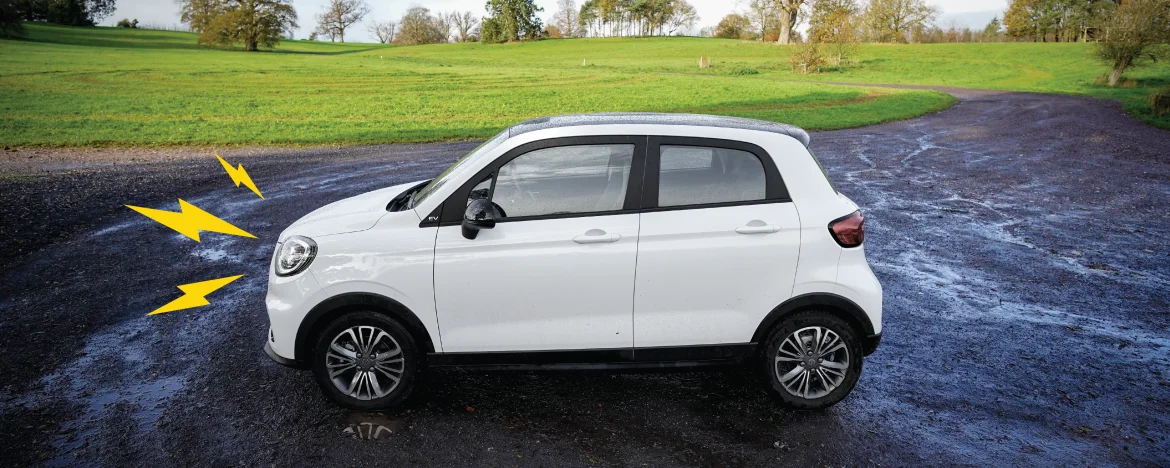
Leapmotor T03

Leapmotor T03

What does this mean for UK drivers?

So, with all this policy drama, what does it actually mean for you?

The short answer: Not much changes immediately. Now for the longer answer…

The UK's stricter targets remain in place, which means manufacturers selling here need to keep pushing electric vehicles to meet the 2030 and 2035 deadlines. That should translate to:

  • More EV choice: Brands will continue investing in new electric models for the UK market
  • Competitive pricing: With targets to hit, manufacturers have an incentive to make EVs affordable and attractive
  • Better infrastructure: Stable policy encourages further investment

If you're already driving an EV or planning to lease one soon, the UK's decision to hold firm is actually good news. It signals continuity rather than confusion.

What does this mean for lease customers?

For anyone considering leasing an electric car, it works in your favour.

Policy stability = better deals: When manufacturers know what's coming, they can plan production and pricing more effectively. That predictability tends to flow through to better lease rates.

EV-first brands still coming: Despite the EU's softening stance, brands like BYD, XPENG, Chery, Changan, Geely, and others are still entering the UK market with competitive electric vehicles.

More competition generally means better value for lease customers.

Hedge your bets with leasing: Here's the beauty of leasing – you're not making a 10+ year ownership commitment. A typical two- to five-year lease means you can:

  • Access the latest technology without worrying about long-term depreciation
  • Avoid getting stuck with outdated tech
  • Upgrade to newer models as EV technology continues improving rapidly

Yes, there's political uncertainty about what happens if the Conservatives win in 2029. But that's four years away – plenty of time for at least one full lease cycle, possibly two.

And frankly?

Even if policy changes, the global push towards electrification isn't reversing. China's dominating with EVs, Europe's still moving forward (just slightly slower), and manufacturers have already invested billions in electric platforms.

The UK's commitment to stricter targets means the EV market here stays competitive and innovative. Leasing lets you benefit from that without locking yourself into long-term ownership during a period of rapid change.

As always, we'll keep you updated as things develop.

Because if there's one thing we've learned from the last few years of EV policy, it's that nothing stays still for long.

Finley Vile

Finley Vile

Finley is one of our Digital Marketing Executives. She brings her keen eye for detail and wit to our blog to keep you entertained, informed, and up-to-date with the latest and greatest car news.