What forgotten automotive icons deserve a second chance at life on Britain's roads?

The retro revival trend is well and truly firing on all cylinders. From the sleek Ford Capri to the small-but-mighty Renault 5, beloved classics are making triumphant returns to our roads.

As we look back at automotive history, there are countless discontinued treasures we'd love to see make a comeback. These aren't just any old bangers – they're legendary models that left too soon, vehicles with character that we reckon modern drivers would queue up to lease.

So, buckle up and join us as we explore the cars that deserve a second chance at life. 

Who knows? With the EV revolution in full swing (thanks to the looming 2030 ban), some of these classics might just materialise sooner than you think… 

Cars we’d like to see come back from the dead

  1. Toyota Corona
  2. Ford Ka
  3. Volkswagen Up!
  4. Honda e
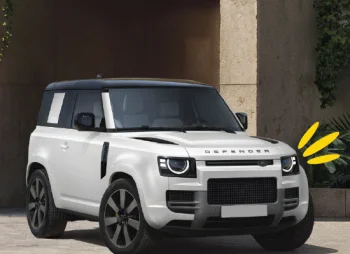
  5. Suzuki Jimny
  6. Audi A4
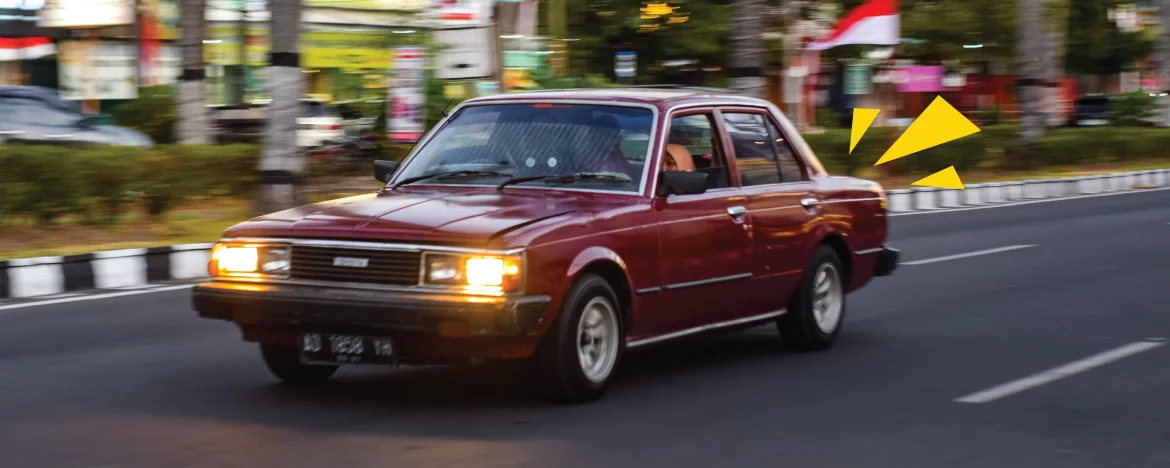
Toyota Corona

Toyota Corona

Toyota Corona

1957-2001

Way back when, before Japanese cars dominated British forecourts, the Corona was Toyota's global pioneer.

Making its UK debut at the 1965 London Motor Show alongside the likes of the Rolls-Royce Silver Shadow and Aston Martin DB6, this modest saloon helped establish Toyota on British soil with what advertisers boldly called its "neat Japanese Arrow styling."

And that’s exactly what makes this car so special – introducing us to the reliability and value that would eventually make Japanese cars household names.

Here at Carparison, we have several Toyota loyalists on the team, and for good reason. 

That same commitment to quality engineering that began with the Corona continues in today's lineup.

What killed it?

After 11 generations spanning four decades, newer models like the Avensis and Camry gradually pushed the Corona into retirement.

By 2001, the name was finally laid to rest – though we imagine the Coronavirus and the global pandemic in 2020 might have complicated any comeback plans.

How we'd resurrect it

A striking mid-sized electric saloon blending classic Corona design cues with cutting-edge tech.

The original offered engine options from frugal 1.5L to sportier 2.0L variants, perfect for an EV lineup with standard and performance configurations.

Who would lease one?

Perfect for drivers seeking Japanese reliability with a touch of automotive history.

Thanks to competitive leasing rates and that legendary Toyota dependability, a modern Corona would be ideal for those wanting something more interesting than yet another crossover.

Corona fun fact

The RT40 Corona was the first Toyota officially sold in Britain, priced at £790 in 1965, with luxurious features like a standard radio. 

And this was at a time when most British rivals didn't even offer one as an option.

Ford Ka

1996-2021

The original Ford Ka wasn't revolutionary on paper - essentially a Fiesta in disguise with the same platform and a base model engine.

Designed by Chris Svensson, its distinctive "New Edge" styling initially provoked mixed reactions, but the Ka quickly won hearts thanks to its exceptional handling. Under Richard Parry-Jones' supervision, this humble city car cornered so impressively that car magazines included it in handling tests alongside Ferraris and Nissan Skylines.

We're big fans of the small city car here at Carparison, so this unique little car won the hearts of our team.

What killed it?

Rising production costs and ever-tightening emissions standards made the economics of small city cars increasingly difficult.

Through three generations of the Ka, Ford lost sight of what made it so special – its character. 

That really sealed the deal for the demise of the Ka.

How we'd resurrect it

An electric Ka that maintains the original's playful design and exceptional handling.

We'd keep those distinctive round headlights and that bubble-like profile, but pack it with modern tech and enough range for urban driving without compromising on its fun factor.

Who would lease one?

Young professionals and first-time drivers looking for something with personality.

With its low running costs and attractive finance options, an electric Ka would be the perfect city car for style-conscious urbanites who'd rather stand out, than blend in.

Ka fun fact

Despite its small size and modest 1.3-litre engine, the original Ka handled so brilliantly that Autocar gave it a full five-star rating, and Car magazine included it in its 'best handling' test of 1997 - alongside the Ferrari 550 Maranello!

Volkswagen Up!

Volkswagen Up!

Volkswagen Up!

2011-2023

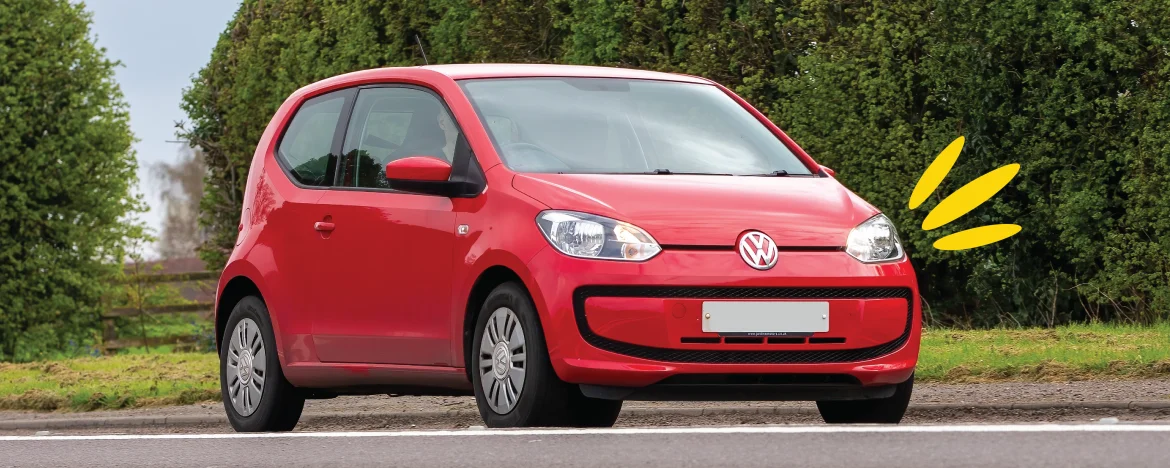
Small in size, but mighty in character, the Volkswagen Up! brought premium quality to the city car segment when it launched in 2011.

This teeny VW quickly won critical acclaim for its grown-up driving dynamics and clever packaging – even being crowned 'World Car of the Year' in 2012.

The sporty Up! GTI version was particularly special, earning Top Gear's 'Pocket Rocket of the Year' award in 2017 thanks to its punchy 115PS engine and perfectly balanced chassis.

For a small car, it sure has earned its place on our list.

What killed it?

Rising production costs and tightening emissions regulations made small petrol cars increasingly difficult to justify financially.

After outlasting its VW Group siblings (the SEAT Mii and SKODA Citigo), production finally ended at the Bratislava plant in October 2023, with no direct combustion-engine  replacement planned.

How we'd resurrect it

An all-electric Up! that maintains the original's fun-to-drive character and premium feel.

The e-Up! already existed with a 160-mile range, but we'd want its successor to offer at least 200 miles per charge, while keeping the GTI's playful handling and performance.

Who would lease one?

Urban professionals and first-time drivers looking for a small but premium city car.

With manageable leasing costs, a resurrected electric Up! would appeal to environmentally-conscious drivers who want Volkswagen quality in a compact package – particularly if it maintained the GTI's fun factor.

Up! fun fact

Despite its tiny dimensions, the Up! GTI was so good that many journalists compared it to the original Mk1 Golf GTI. 

Sometimes, the best things really do come in small packages.

Honda e

2020-2023

The Honda e wasn't just another electric car – it was a design statement that prioritised personality over practicality.

With its distinctive retro-futuristic styling, lounge-like interior and tech-fest dashboard sporting screens from end to end (including a virtual aquarium function!), this compact city car turned heads wherever it went.

But while its looks were undeniably charming, its modest 131-mile range (WLTP Comb) and hefty price tag (over £37,000) meant it was always going to be a niche proposition in the increasingly competitive EV market.

What killed it?

Despite winning admirers for its bold design and excellent driving dynamics, the Honda e's combination of limited range, small boot (just 171 litres) and premium price point made it a tough sell as more practical, affordable alternatives arrived.

Production ended in late 2023 after just three years, with the larger e:NY1 SUV taking its place in Honda's lineup – though it hasn't exactly filled the gap in our hearts.

How we'd resurrect it

An updated Honda e with at least 200 miles of range and a more competitive price point.

We'd keep the adorable styling and screen-laden interior that made the original so special, but add a larger battery. 

No compromising on its fun-to-drive character or perfect city-friendly dimensions.

Who would lease one?

Design-conscious urbanites who want to make a statement.

The Honda e would appeal to tech-savvy professionals looking for a premium electric city car that stands out from the crowd, especially with the right finance package to offset that premium positioning.

Honda e fun fact

There's hope for a resurrection. 

Honda's electrification boss Katsushi Inoue recently confirmed they understand "the market for small electric cars is blooming" and are considering a follow-up to the glorious e.

Though any new model would be separate from Honda's upcoming 0 Series of electric vehicles.

Suzuki Jimny

1998-2025

In a world of bloated crossovers pretending to be off-roaders, the Suzuki Jimny stood proud as the real deal.

A proper ladder-frame chassis 4×4 that just happened to be small enough to park in those tight spots.

The fourth-generation model that arrived in 2018 won hearts immediately with its boxy, mini Mercedes G-Class looks, refreshingly honest approach and go-anywhere attitude.

Despite modest dimensions and just 101bhp from its naturally aspirated 1.5-litre engine, the Jimny could tackle terrain that would leave many modern SUVs calling for a tow truck.

What killed it?

Emissions regulations proved too stringent for the Jimny's simple, non-hybrid powertrain.

After disappearing from UK showrooms in 2020, it briefly returned as a commercial vehicle (sans rear seats) in 2021 before supply dwindled.

With demand far outstripping supply, used Jimnys now reach premium prices – often exceeding £25,000.

How we'd resurrect it

A hybrid or fully electric Jimny that maintains the original's boxy charm and exceptional off-road capability.

The five-door version already exists in other markets (with 340mm more wheelbase), so we'd bring that to Britain too, offering both powertrains across the range.

We’d also keep the honest, wipe-down interior that made the Jimny so refreshingly different.

Who would lease one?

Adventure-seeking urbanites and rural dwellers alike.

The Jimny's compact dimensions make it perfect for city parking while its genuine off-road ability means it can handle muddy farm tracks or those steep, countryside roads with equal confidence.

With flexible leasing terms, a resurrected Jimny would appeal to those seeking authenticity in a world of style-over-substance SUVs.

Jimny fun fact

Despite its modern appearance, the Jimny's roots trace all the way back to 1970, with the original model inspired by World War 2 Jeeps.

The name "Jimny" itself was actually a linguistic error too – Suzuki executives visiting Scotland intended to call it "Jimmy" but translation issues led to the now-iconic misspelling!

Audi A4

Audi A4

Audi A4

1994-2025

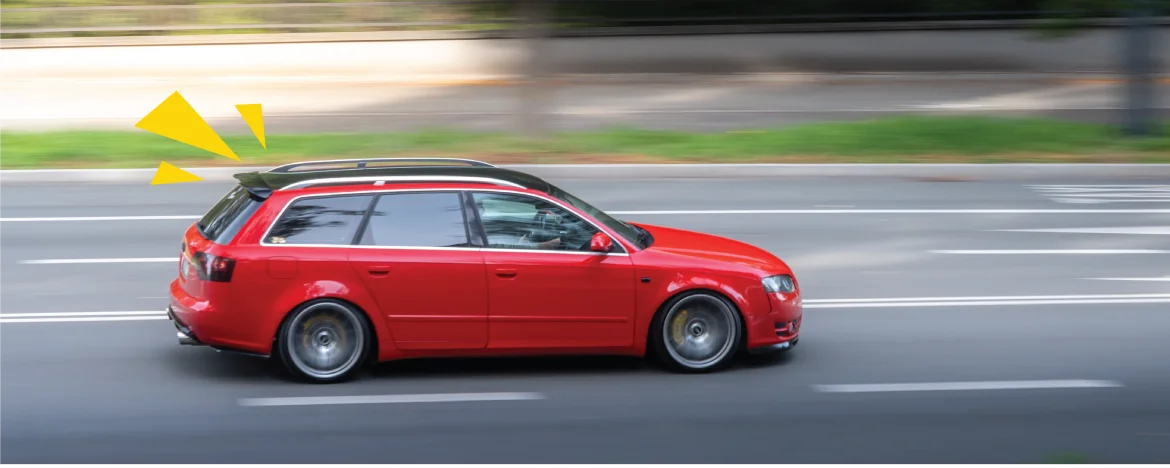
For over three decades, the Audi A4 has been the benchmark for compact executive motoring, blending understated luxury with German engineering precision.

Since replacing the Audi 80 in 1994, it's evolved through five generations, setting standards for interior quality that competitors scrambled to match.

With its perfect balance of comfort and refinement, it often got referred to being "Best for Big Miles" – the quintessential business transport that made long journeys feel effortless thanks to its whisper-quiet cabin and exceptional build quality.

What killed it?

Changing consumer preferences (hello SUV movement) and Audi's electric transformation have sealed the A4's fate.

With SUVs dominating sales charts and Audi committed to an all-electric future, the traditional A4 name as we all know and love it will be retired in 2025.

Instead, under Audi's new naming convention, its replacement will be badged as the A5 saloon, while future electric models will adopt the even-numbered A4 name.

How we'd resurrect it

A hybrid approach that combines the A4's renowned refinement with cutting-edge electrification.

We'd maintain the beautifully crafted interior that made it famous, add an all-electric powertrain with proper good range, and preserve the Quattro all-wheel-drive system that gave it such sure-footed confidence in all conditions.

Who would lease one?

Business professionals and discerning drivers who value understated luxury and exceptional long-distance comfort.

With tailored business or personal leasing options, a resurrected A4 would appeal to those who appreciate German engineering excellence but want something more subtle than a BMW or Mercedes.

A4 fun fact

The A4 was built on what Audi called the "B" platform, with generational codes B5 through B9.

Though the car grew in size with each generation, Audi engineers worked diligently to reduce the weight – the B9 model is actually around 120kg lighter than its predecessor, despite being larger.

Ghosts of motoring past: Will they return?

So there you have it – six automotive icons we'd love to see resurrected for the electric age.

From the pioneering Toyota Corona to the precision-engineered Audi A4, each of these discontinued models left a distinctive mark on Britain's roads.

What unites these vehicles isn't just their mechanical excellence, but the character and joy they brought to driving.

In today's cookie-cutter market, perhaps manufacturers should look to their past for inspiration on how to inject some personality into tomorrow's EVs.

The good news? 

With advances in electric technology making cars both cleaner and more exciting, the time might be perfect for some of these legends to make a comeback. And we're talking about proper revivals here. Not just slapping an old badge on a completely different car like the new Vauxhall Frontera.

If the Renault 5 and Ford Capri can rise from the automotive afterlife with their original spirit intact, who's to say the Corona, Ka, Up!, Honda e, Jimny, or A4 couldn't follow suit?

Until then, if you're looking for something with a bit more character than the average runabout, get in touch with our team at Carparison.

While we can't offer you a brand new Jimny, we might just have something in our lineup that captures that same special quality you're after.

Ready to start your hunt?

Finley Vile

Finley Vile

Finley is one of our Digital Marketing Executives. She brings her keen eye for detail and wit to our blog to keep you entertained, informed, and up-to-date with the latest and greatest car news.