What does the Autumn Budget 2025 mean for you on the road

Got money on the mind? You're not the only one.

The highly anticipated Autumn Budget was delivered this week by the Labour government, and lays out a series of measures to – in the words of the government themselves – 'create a fairer, stronger, more secure Britain.'

Which, of course, has far-reaching implications for both the economy and our own pockets.

According to the Autumn Budget, the aim is to make public finances more sustainable, support public services (including reducing NHS waiting lists) and boost capital investment to unlock long-term growth.

But how will this affect motorists?

First, let's cross off some frequently asked questions about the Autumn Statement itself. Skip forward if you already have a basic understanding of the Autumn Budget and why it exists.

We know each Budget has far-reaching implications beyond the automotive industry, but we're focusing on what matters most to motorists.

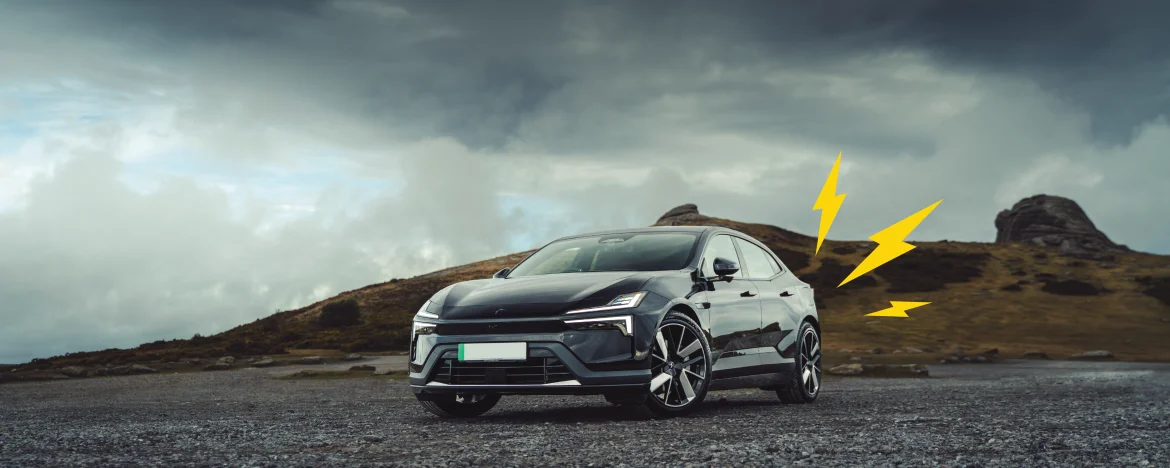
Polestar 4

Polestar 4

Autumn Budget FAQs

When is the Autumn Budget?

Rachel Reeves, the UK's Chancellor of the Exchequer, presented the Autumn Budget on Wednesday 26 November 2025.

What is an Autumn Budget?

The Autumn Budget – or Autumn Statement – is an update on the government's economic forecast and supporting strategies.

What’s in the Autumn Budget 2025?

The Autumn Budget reviews the current state of public finances as provided by the Office for Budget Responsibility (OBR) and the government's own reflection on its ability to meet its financial objectives.

It considers the current state of the UK economy, and proposes future changes to legislation to tackle issues and support growth.

This all forms the Economic and Fiscal Outlook (EFO) which is published twice a year, in the spring and autumn.

After a turbulent lead-up marked by leaked OBR analysis, Rachel Reeves presented a strong Autumn Budget – her second as the UK's first female Chancellor.

How does the Autumn Budget affect me?

Both the Spring Budget and Autumn Budget can impact everything from income and corporation tax, commodity duties, wages and benefits, to local authority spending and industry funding or initiatives.

The Budget affects us differently depending on our financial circumstances, where we live and work, the public services we use and where we spend our money.

The aim is to improve economic health through reduced borrowing, controlled inflation and GDP growth. Each Budget is different and outlines specific strategies and targets for the upcoming fiscal year based on the most pressing economic issues at that time.

What the Autumn Budget means for motorists

It's been a tricky few years for many of us, with the cost of living soaring and day-to-day life feeling rather expensive.

The automotive industry and drivers haven't been exempt from this.

So, has the Autumn Budget offered any lifelines?

Autumn Budget on fuel duty

Good news for now – Rachel Reeves has kept the freeze on fuel duty and the five pence-per-litre cut that was announced back in spring 2022.

But this relief won't last forever.

Fuel duty has been frozen at 57.95 pence-per-litre since 2011, and with the discount currently sits at 52.95 pence-per-litre. This will continue until the end of August 2026.

After that, the five pence cut will be reversed in a "staggered approach" over three stages: 1p on 1 September 2026, 2p on 1 December 2026, and 2p on 1 March 2027. The planned increase in line with inflation for 2026-27 has also been cancelled.

From April 2027, fuel duty will increase annually in line with the Retail Prices Index (RPI).

The government is also launching Fuel Finder in early 2026, a new service to help drivers compare fuel prices.

Overall, the fuel duty measures are expected to save families £89 next year compared to previous plans.

Autumn Budget on EV incentives and tax rates

The government has been under increasing pressure from the motor trade to do more to incentivise people into electric cars.

In the Autumn Budget, Rachel Reeves announced several measures aimed at supporting EV adoption.

Expensive Car Supplement threshold increase

From April 2026, the Expensive Car Supplement (ECS) – also known as the 'luxury car tax' – will see its threshold increase from £40,000 to £50,000, but only for electric vehicles.

Currently, all cars with a list price over £40,000 are subject to an additional £425 per year on top of the standard VED rate for five years (from the second year of registration). This change means many more EV buyers can avoid this charge entirely.

The average price of an electric car in the UK currently sits between £48,000 and £50,873. This shows how many people will now avoid the Expensive Car Supplement thanks to this change.

The lower £40,000 threshold will continue to apply to all petrol, diesel and hybrid models.

Electric Car Grant expansion

The UK's Electric Car Grant, which gives discounts of up to £3,750 off the list price of eligible EVs, has received £1.3 billion in additional funding to allow it to continue until 2029/30.

The catch: Pay-per-mile tax from 2028

From April 2028, EV drivers will be subject to a new mileage-based charge (dubbed eVED) on battery electric and plug-in hybrid cars.

The charge will be 3p per mile for EVs and 1.5p per mile for plug-in hybrids during the 2028/29 financial year. Electric vans, trucks and motorcycles will initially be exempt.

The OBR estimates that an electric car driver travelling 8,500 miles during this period will pay £255 – roughly half the rate of fuel duty tax paid by petrol and diesel drivers.

Drivers will be expected to self-report their mileage by estimating the distance they'll travel each year, either paying upfront or monthly via Direct Debit. This mileage will be checked annually, either via existing MOT tests or through an annual check procedure at MOT stations for newer cars.

The mileage-based charge is forecast to raise £1.1 billion in tax income in the first year, rising to £1.9 billion in 2030.

The OBR reckons this move will reduce demand for EVs, estimating that around 440,000 fewer electric vehicles will be sold in the five-year forecast period. However, measures to incentivise EVs (such as the Expensive Car Supplement threshold increase) will offset this by 130,000 vehicles, according to the OBR.

EV Charger

EV Charging

Autumn Budget on EV charging

This year, the Chancellor has once again addressed one of the biggest barriers to electric car ownership: how to charge it.

Rachel Reeves has announced £200 million to support the rapid deployment of public EV charging infrastructure across the country, helping the UK hit its target of 300,000 chargepoints by 2030.

Additionally, £100 million in funding will be provided to increase provision for home and workplace charger installation.

Businesses with EV chargers installed will continue to receive 100% business rates relief for 10 years – preventing potential costs of over £100 million per year that would likely have been passed on to consumers.

The government also intends to review electric car charging prices at public chargers, which have substantially increased in recent years.

A review will start in the first quarter of 2026 and be released in the third quarter. It will look at the impact of energy price increases as well as other contributors to the cost of public charging (such as the 20% VAT charge and the cost of National Grid connections) and consider options to lower the cost.

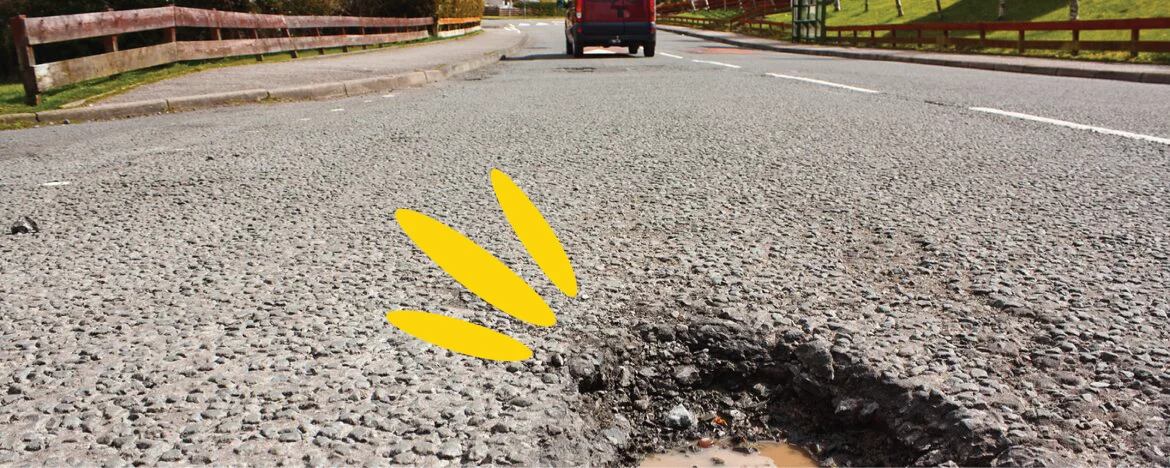
Big pothole on UK road

Potholes

Autumn Budget on potholes

Even more good news for those of us who frequently have to drive down potted roads, playing real-life Mario Kart in attempt to not blow a tyre in a hole that is deceivingly deep.

By 2029-30, the government will commit over £2 billion annually for local authorities to repair, renew and fix potholes on their roads – doubling funding since coming into office.

This record level of funding is enough to fill millions of potholes each year, enabling the government to exceed its manifesto commitment to fix an additional one million potholes per year by the end of the Parliament.

The funding comes from revenue generated by the new Electric Vehicle Excise Duty (eVED), meaning the investment in road maintenance will be continued for the long term.

Person sat in back of their car drinking a warm drink and talking to a friend

But how does it affect you?

Summary: What does this mean for EV drivers?

Despite the upcoming introduction of a pay-per-mile tax in 2028, running an electric vehicle remains financially competitive and environmentally beneficial.

The positives

Investment and incentives are growing.

The Electric Car Grant has been extended until 2029/30 with an additional £1.3 billion in funding, helping keep EVs under £40,000 more affordable. On top of this, £200 million is being invested in public charging infrastructure, plus £100 million for home and workplace chargers.

The Expensive Car Supplement threshold is rising from £40,000 to £50,000 for EVs from April 2026. Given the average EV price sits between £48,000 and £50,873, this will help thousands of buyers avoid an extra £425 per year for five years.

Company car drivers still benefit from low Benefit in Kind (BiK) rates despite the new pence-per-mile charge coming in 2028. And new EVs will continue to pay just £10 for first-year road tax until 2029-30.

Public charging could get cheaper. The government is reviewing the 20% VAT on public charging compared to the 5% rate for home charging, which could level the playing field for those without driveways.

The negatives

The pay-per-mile charge is coming.

From April 2028, EV drivers will pay 3p per mile, while plug-in hybrid drivers will pay 1.5p per mile. For an average driver covering 8,500 miles a year, that's around £255 annually for an EV – about half what petrol drivers pay in fuel duty.

Mileage will be reported annually, likely during MOT tests or through an annual check procedure for newer vehicles.

The bottom line

The per-mile cost of electricity, particularly when charging at home, is projected to remain significantly lower than fuel duty and pump prices for petrol or diesel cars. EV drivers also continue to benefit from lower maintenance costs thanks to fewer moving parts.

However, some high-mileage users may be pushed from EVs to plug-in hybrids to take advantage of the lower 1.5p per mile rate.

Remember: none of the pence-per-mile charges come into effect until 2028, giving you plenty of time to make informed decisions about your next vehicle.

What more car news and updates sent to your inbox?

Sarah Hunt

Sarah Hunt

Sarah is the Head of Marketing and she's tasked with keeping the fantastic marketing team in line. She's probably the reason you've heard of us, and her wealth of marketing experience means that no challenge is too big.